Ryan Coogler’s genius is that every part of this thrilling vampire movie also works to explore multiple overlapping themes.

Ryan Coogler’s genius is that every part of this thrilling vampire movie also works to explore multiple overlapping themes.
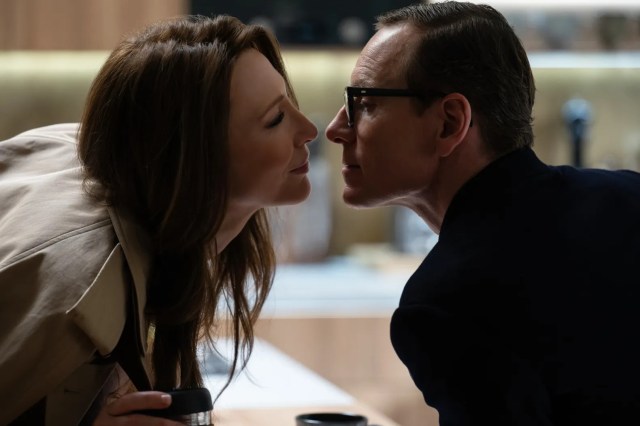
Thoroughly entertaining -if occasionally overwritten- if you’re in the mood for old-fashioned spycraft.
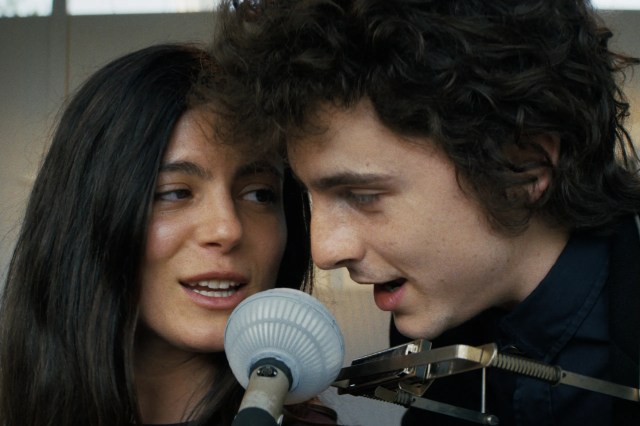
Liked it, didn’t love it. The cast is exceptional, but I wish they let the songs breathe.

I laughed and laughed, and then I cried and cried.

Colman Domingo and Clarence Maclin make for a fascinating pair.

Incredible work by Amy Adams, who carries a movie that doesn’t even need its main metaphor.

Hated it!

Kiyoshi Kurosawa deftly weaves strands of horror into an increasingly tense crime thriller.

Despite losing steam after a strong start, Glimmers remains worth watching for the central performance alone.

A delightful comedy, full of heart and wit.

