¡En español!
Listen, it’s fine. It’s fine for a legacy sequel, which is even more backhanded, but it’s already a small victory considering how awful those are coming along. For a project whose main goal is simply to make a sequel to The Devil Wears Prada, this second one is often entertaining, always fashionable, and occasionally finds things to say.
Its greatest strength is that, unlike other legacy sequels, the characters are not the same people they were twenty years ago, nor are they in the same place. In my opinion, the first movie was not about fashion so much as it was about labor; this one is not about fashion so much as it is about journalism and late stage capitalism. Andy (Anne Hathaway) has had a successful career as a journalist, which in 2026 means she is paid peanuts and laid off by corporate mergers, Miranda (Meryl Streep) is now little more than an employee in the hands of the media conglomerates that own her magazine and refer to it as “content”, and Emily (Blunt) now works for luxury brands, the ones that are, in her own words, the only ones making any money in the entire fashion industry. I definitely did not expect this glossy studio movie to so openly discuss the way billionaires and massive corporations are reshaping the economy around the wealthy few, but I am thrilled that it does!
It is that much more disappointing, then, than the story is mostly perfunctory, more concerned with hitting every single note from the original for those fans who can quote it by heart than with developing its characters further. Although I was enjoying myself, I could feel the time running, especially during a middle segment where the movie suddenly turns into a heist movie for not a lot of suspense.
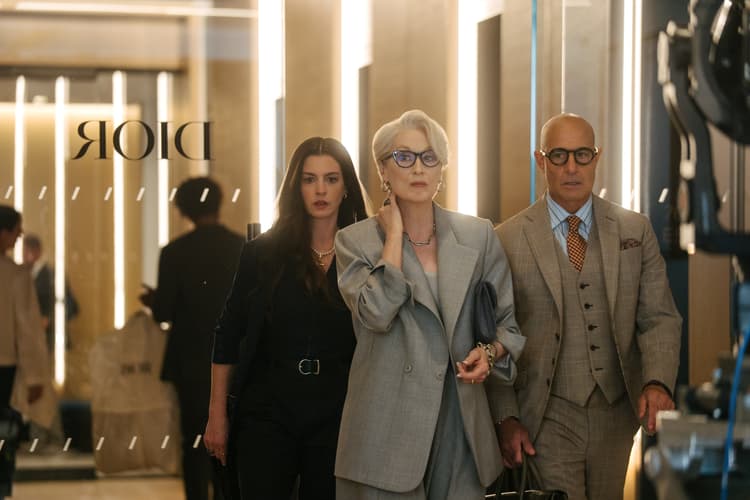
Anne Hathaway is as charming as always, playing Andy with the confidence that she began to develop when we last saw her; Meryl Streep plays Miranda very differently from before, but in a way that makes sense for her character: she is a woman that has been humbled by reality for many years now. The fashion again takes center stage, with a frankly staggering number of incredible outfits rotating in and out of the screen, whether as part of a montage or otherwise. I wonder how we will look at these sartorial choices in ten or fifteen years, because the genius of the first movie (like with Sarah Jessica Parker’s crazy outfits in Sex and the City) is that by making its own fashion choices, they escaped feeling dated when the trends changed.
I still feel like, despite its anticorporate message, The Devil Wears Prada 2 has been somewhat defanged. The first one was a risky project inasmuch it was seeing as a direct attack on Anna Wintour, to the point that it led to the fantastic documentary The September Issue, which Wintour must have thought would improve her image but makes her look every bit the tyrant that the book did. This time, The Devil Wears Prada is a safe pop culture monument that has every brand and celebrity lining up to work for it and cannot afford to ruffle any feathers. The result is… yeah, we got a sequel, yeah, it’s okay. But… what now?
The Devil Wears Prada 2 on IMDb
El diablo viste de Prada 2 (2026)
Mira, se deja ver. Está bien para ser una “legacy sequel”, lo cual no es decir mucho: el listón está en el suelo, pero aun así muchas pelis tropiezan con él. Para un proyecto cuyo único objetivo era vender una secuela de El diablo viste de Prada, esta segunda parte resulta a menudo entretenida, siempre espectacular, y ocasionalmente mordaz.
Su mayor baza es que, a diferencia de muchas secuelas actuales, en esta los personajes no son las mismas personas que hace veinte años, ni se encuentran en el mismo sitio. En mi opinión, el verdadero tema de la primera película no era tanto la moda sino el trabajo; en ese sentido, el tema de esta segunda parte no es tanto la moda sino el capitalismo tardío. Andy (Anne Hathaway) ha sido una periodista de éxito, lo que en 2026 significa cobrar una miseria y perder su trabajo tras una fusión corporativa. Miranda (Meryl Streep) es poco más que una empleada de los conglomerados multimedia dueños de su revista que llaman “contenido”. Emily (Blunt) trabaja para marcas de lujo, las únicas que (según dice ella misma) hacen dinero en la industria de la moda ahora mismo. No me esperaba que una vistosa superproducción saliera con una denuncia tan inequívoca de los millonarios y multinacionales que reorientan la economía para satisfacer a los ricos, ¡pero me alegro!
Es por lo tanto aún más decepcionante que la historia acabe siendo tan insípida, más preocupada por recrear todos los momentos famosos de la primera que por desarrollar sus personajes. Aunque me lo pasé bien, también fui muy consciente de cómo iba pasando el tiempo, especialmente a la mitad cuando la película se convierte inexplicablemente en Ocean’s Eleven pero sin suspense.
Anne Hathaway está igual de encantadora que siempre, interpretando a Andy con la autoconfianza que descubrió la última vez que la vimos; Meryl Streep encarna a Miranda de una forma muy distinta, lo cual es comprensible: toda editora de revista en el panorama actual ha tenido que comulgar con muchas ruedas de molino. La moda vuelve a ser protagonista, con una cantidad francamente impresionante de vestidos y trajes en cada escena. Me pregunto qué pensaremos de estos looks en diez o quince años, porque la genialidad de El diablo viste de Prada (igual que las cosas que se ponía Sarah Jessica Parker en Sexo en Nueva York) fue que al operar fuera de las modas de la época consiguieron no parecer demodé cuando cambiaron.
Sigo pensando que este es un El diablo viste de Prada descafeinado. La primera fue arriesgada en el sentido de que se consideró un ataque frontal contra Anna Wintour, hasta el punto de que dio paso al fantástico documental The September Issue, que Wintour debió de pensar que rehabilitaría su imagen pero que no hizo sino confirmar que era la tirana despiadada que todo el mundo pensaba. Ahora El diablo viste de Prada es un icono de la cultura popular con la que todas las marcas y celebridades quieren colaborar, así que no quiere ofender a nadie, mucho menos a la propia Wintour, que ahora se retrata como víctima. El resultado es… pues sí, conseguimos nuestra secuela, y no está mal. ¿Y ahora?

