When I watched Lee Chang-dong’s previous movie, Burning, way back in 2018, I left the theater conflicted, but over time the movie only grew on me, as I kept thinking about its layers and the complexity of its themes.
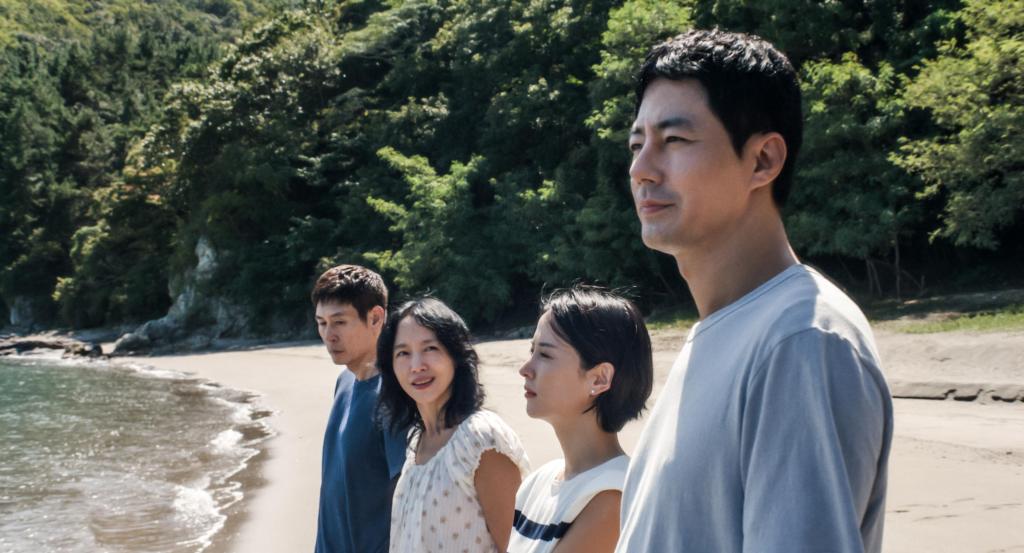
Eight years later, I had a better idea of what to expect, and I wasn’t disappointed. In terms of plot, Possible Love has nothing in common with Burning, and more with films like No Other Choice: this is the story of Mi-ok (Jeon Do-yeon), a working class woman whose husband Ho-seok (Sul Kyung-gu) was laid off from his long-time job at a factory and has been struggling to keep other jobs since. Mi-ok befriends Ye-ji (Cho Yeo-jong, whom we saw in Parasite), a film director who is making a documentary about the factory’s laid off workers; the two women, plus Ye-ji’s rich husband Sang-woo (Zo In-sung), will try to convince the reluctant Ho-seok to open up and speak on camera about his experience.
In terms of theme, however, the parallels with Burning are immediately apparent. Above more specific elements like capitalism, corporate interests, labor as an illusion of social cohesion, and more, is the theme of class, which is as central to the relationship between these two marriages as it was to the dangerous love triangle in the previous film. Is it possible for Ye-ji, a well off person in her own right who has a millionaire husband, to empathize with the struggle of the proletariat? She is quick to affirm that it is, but there are cracks in that facade that quickly start to widen.
The first great achievement of the movie is the writing, which slowly (over the course of almost three hours, must be said) explores the contradictions of all four protagonists with a lens that is both compassionate and unsparing, deftly weaving their personal stories with the larger threads of social and economic issues affecting South Korea as well as any of our countries.
Lee’s second feat is to gather this many great performances in one movie: what Jeon Do-yeon does with her character throughout the entire film has to be seen to be believed; it’s hard to choose one standout scene when she has so many, from the more dramatic to the subtler, but no less devastating character moments -I could argue, in fact, that the two saddest shots in the entire movie are wide shots where she is only a small figure in the scenery. Sul Kyung-gu surprised me with a depth of feeling that his character starts out forcefully hiding but reveals as the story progresses. Really, everyone is great, even side actors: there’s a scene where other workers in a support group give their testimonies, one by one, and every one of those actors -who appear in that one scene and never again- gives a better performance than anybody in The Odyssey.
Possible Love is not an easy watch, not in the sense that anything harrowing happens, but in the sense that it asks something of you: you have to be willing to engage with its questions and find your own answers, because it is not interested in presenting you with preformed conclusions. Even the title itself invites you to pursue different avenues of thought (Lee himself has given us a hint in interviews: movies often talk about “impossible love”, but what is love that is possible like?). But if you put in the same effort, you will be rewarded with a rich, thorough text that marries its themes with emotion.
Un amor posible (2026)
Cuando vi la anterior película de Lee Chang-dong, Burning, allá por 2018, mi primera reacción fue un poco mixta, pero con el tiempo me di cuenta de que me iba gustando más, porque no podía dejar de pensar en la complejidad de la temática y todas las capas de la historia.
Ocho años después, ya sabía a qué atenerme, y no me ha decepcionado. En lo que respecta al argumento, Un amor posible se parece más a películas como No Other Choice que a Burning: esta es la historia de Mi-ok (Jeon Do-yeon), una mujer de clase trabajadora cuyo marido, Ho-seok (Sul Kyung-gu), no encuentra trabajo después de que lo despidieran de una gran fábrica. Mi-ok se hace amiga de Ye-ji (Cho Yeo-jong, a quien vimos en Parasite), una directora que está grabando un documental sobre los obreros despedidos; las dos mujeres, junto al adinerado marido de Ye-ji (Zo In-sung), tratarán de convencer al recalcitrante Ho-seok de sincerarse ante la cámara y hablar sobre su experiencia.
En lo que respecta a la temática, por el contrario, los paralelos con Burning se hacen evidentes. Por encima de los temas más concretos como pueden ser el capitalismo, los intereses corporativos o el trabajo como ilusión de cohesión social, entre otros, se encuentra la sombra de la clase social, tan fundamental en la relación entre estas dos parejas como lo era en el peligroso triángulo amoroso de la anterior obra. ¿Puede Ye-ji, una persona pudiente por derecho propio que además tiene a un millonario por marido, empatizar verdaderamente con el sufrimiento del proletariado? Ella se apresura a afirmar que sí, aunque es una fachada que no tarda en agrietarse.
La primera gran baza de Una mor posible es lo bien escrita que está: lentamente (a lo largo de casi tres horas, todo hay que decirlo) exploramos las contradicciones de los cuatro protagonistas desde un punto de vista que ni juzga ni perdona, entretejiendo hábilmente sus historias personales con la problemática socioeconómica que afecta a Corea del Sur tanto como a cualquiera de nuestros países.
El segundo logro de Lee es reunir tantas buenas interpretaciones en la misma película: lo que hace Jeon Do-yeon con su personaje hay que verlo para creerlo; es imposible elegir una sola escena genial como muestra de todas las que hay, desde las más dramáticas hasta las más sutiles, pero no por ello menos devastadoras. De hecho, se podría argumentar que los dos planos más tristes de toda la película son unos en los que solo se la ve como una pequeña figura casi perdida en el escenario. Sul Kyung-gu sorprende con una profundidad que su personaje esconde vehementemente al principio pero que se va revelando poco a poco. Todos lo hacen bien, hasta los secundarios: hay una escena en la que varios trabajadores cuentan sus experiencias en un grupo de apoyo, y todos y cada uno de esos actores (que solo salen en esa escena y no más) actúan mejor que cualquiera de los actores de La odisea.
Un amor posible no es fácil de ver, no porque pase nada horroroso sino porque exige un esfuerzo de sus espectadores: hay que prestar atención a sus preguntas y buscarles respuesta, porque la peli no pretende presentarnos ninguna conclusión preestablecida. Hasta el propio título plantea un concepto que tiene distintas interpretaciones (el propio director dio una pista en una entrevista: a menudo el cine habla de “un amor imposible”, pero ¿cómo es el amor posible?). Eso sí, si pones de tu parte, la recompensa es un texto digno de reflexión que combina denuncia con emoción.

